In a society where so many Cambodians continue to struggle with the aftermath of their country's violent past, facing the past and seeking truth and justice are crucial to recover from mass atrocity. Experiences in other countries show that active participation in a court or any other justice initiative can have a highly empowering impact on survivors of mass atrocity. However, it remains risky, as the logic of jurisdiction may not always meet the needs of victims and painful memories may resurface during the course of the tribunal.
TPO believes that trauma recovery and reconciliation are long-term processes that should be addressed in a holistic manner through a series of carefully designed interventions. In particular, justice mechanisms should be carried out in tandem with psychological support services and social reconstruction efforts.
When the Extraordinary Chambers in the Courts of Cambodia (ECCC) were established in 2005, the Transcultural Psychosocial Organization (TPO) initiated its program to provide psychological support to those who had been traumatized by the Khmer Rouge regime. TPO further seeks to support professionals who are working within the context of ECCC. Working in close cooperation with the Witness and Expert Support Unit (WESU) and the Victims Support Services (VSS) of the ECCC, TPO provides a variety of psychological services through its Cambodian mental health experts. Those range from on-site psychological support during the ECCC proceedings to intense psychological and psychiatric follow-up care and awareness raising activities on mental health:
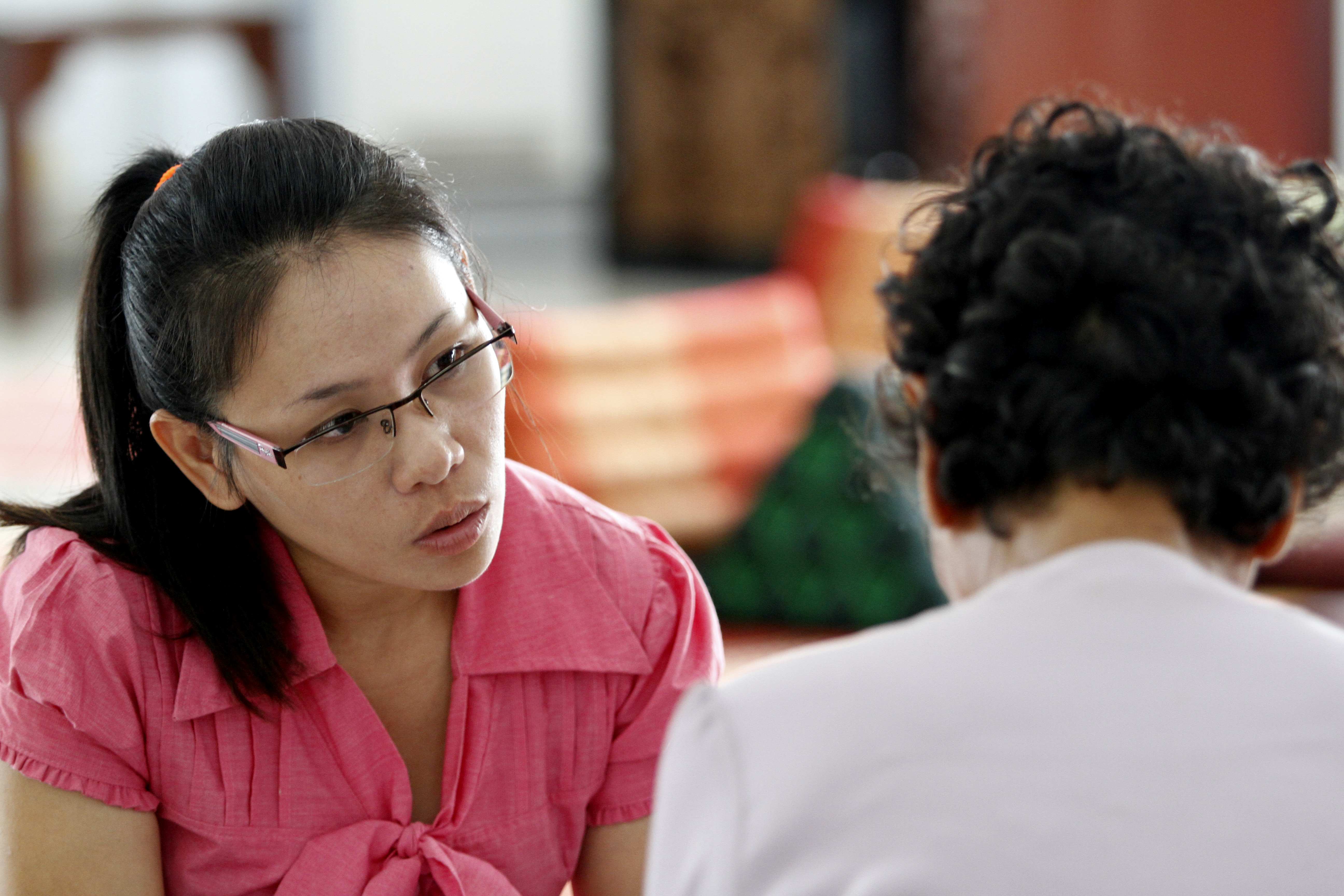
On-site Psychological Support for Witnesses and Civil Parties of the ECCC: TPO staff provides psychological support to Khmer Rouge survivors who are participating as witnesses or civil parties in the court’s proceedings. On-site psychological support services include reducing anticipatory anxiety through psychological briefing prior to the proceedings, monitoring participants' mental health condition, offering emotional support during the trial and debriefing after the proceedings. Phone Counseling: The project established a phone counseling hotline, where Khmer Rouge survivors and their families can call (8am – 4pm on working days) and ask for information and support (see the following name card). The hotline is also used to reach people in the provinces that otherwise cannot receive psychological services and to support civil parties, the most vulnerable participants of the tribunal. As the latter are participating more closely in the tribunal, the management of feelings and expectations regarding the judicial proceedings becomes an important task in order to prevent possible re-traumatization or re- victimization. Psychological Services at TPOs Outpatient Clinic: Services at TPOs outpatient clinic in Phnom Penh include supportive psychotherapy by trained psychiatrists and psychologists and follow-up counseling services after the court's proceedings as well as the psychiatric assessment and medical treatment, if required.
Psychological Support during Outreach Activities:
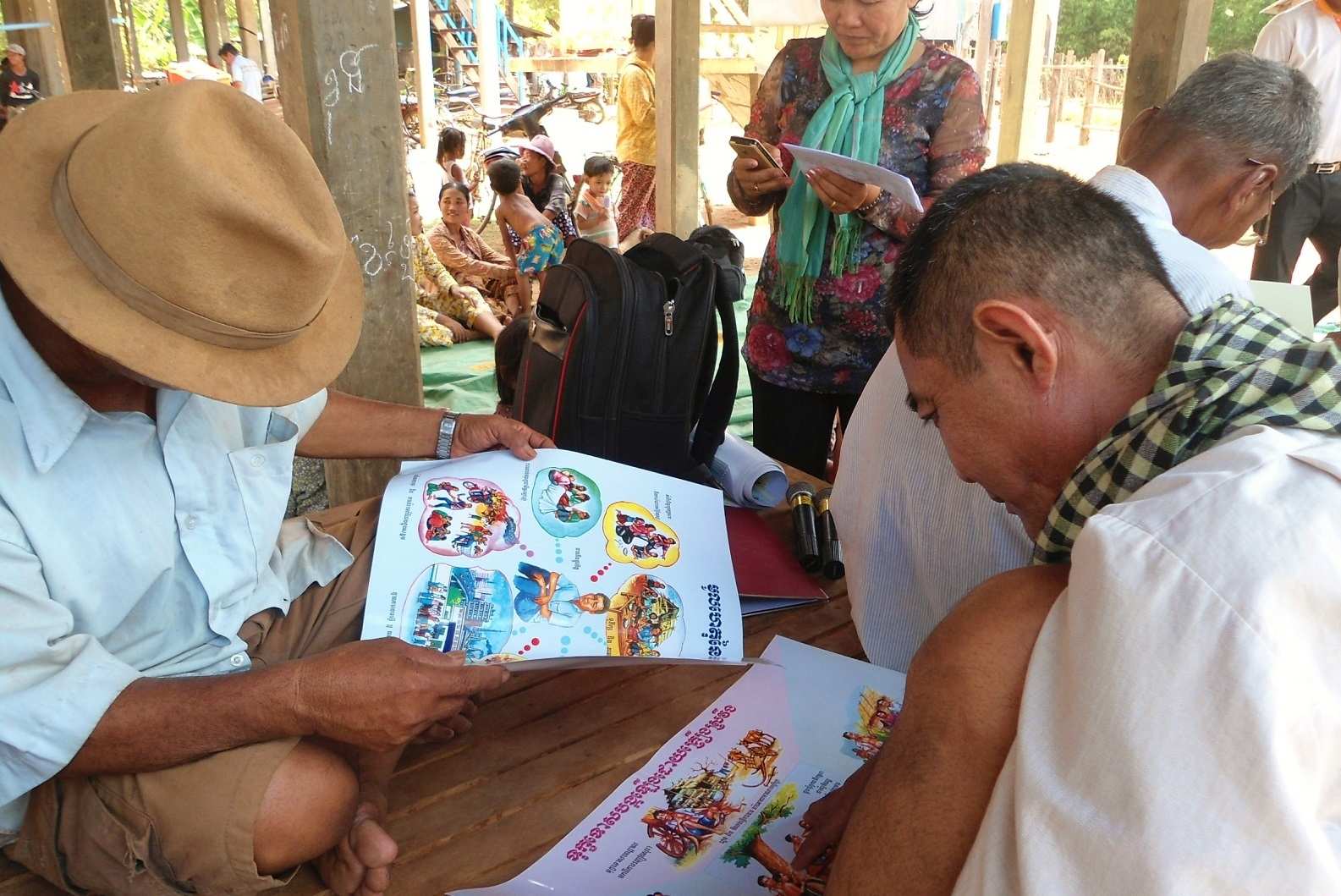
TPO staff accompanies the various outreach activities of different partner organizations in the context of the tribunal in order to raise awareness about trauma and to give emotional support to the participants. Furthermore, survivors and young Cambodians are accompanied when visiting Phnom Penh’s memorial sites (Toul Sleng Genocide Museum and the Killing Fields).
Radio Program:
A bi-weekly radio call-in-show aims to inform people about trauma and psychological symptoms, which might resurface when remembering past events. Listeners learn about possible coping strategies and can share experiences or express concerns and questions related to mental health. The radio show “Past in the Present” is conducted on Friday from 3-4 pm on FM 102 MHz. Training:
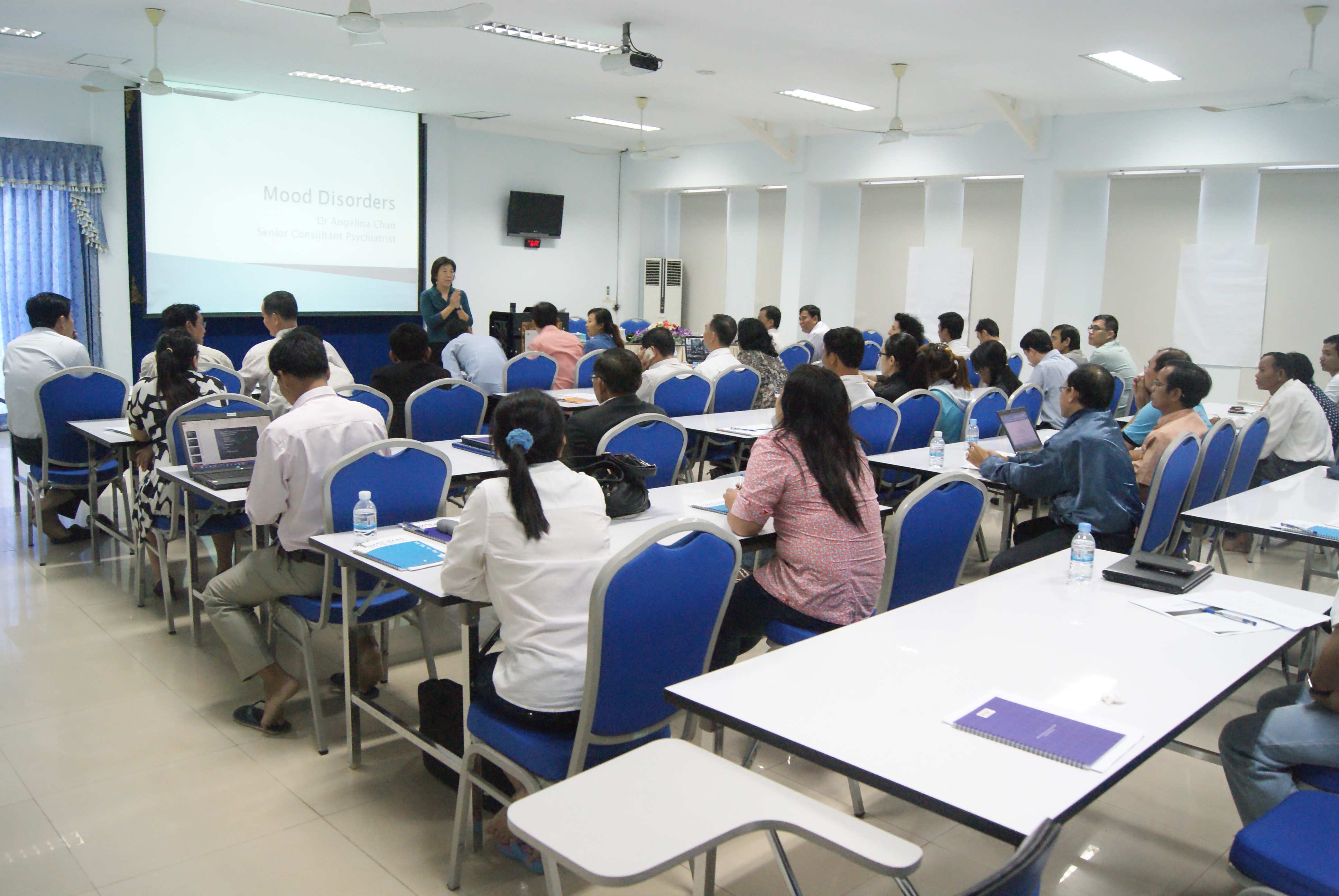
TPO provides trainings and workshops to staff of the ECCC and nongovernmental organizations where participants can learn about trauma, its after-effects and possible coping and self-care strategies.
TPO hopes that its Justice and Healing Project will provide psychological support to all victims of the Khmer Rouge either directly or by increasing awareness and sensitivity to mental health issues throughout the country. "Testimonial Therapy" (TT) a cultural adapted trauma treatment approach TPO has developed and implemented an innovative trauma treatment approach derived from "Testimonial Therapy" that takes into account the cultural and human rights dimensions of mental health in Cambodia. Khmer Rouge survivors are invited to talk about their traumatic experiences. In cooperation with a counselor they can restore their painful memories and convert them into a written document: a testimony. The testimony is read aloud and delivered to the survivors during a Buddhist ceremony in presence of other survivors and/or community members. This practice allows victims to express and process traumatic experiences, to honor the spirits of the dead and document human rights violations.  Delivery of the testimony of a Khmer Rouge survivor  Delivery of the testimony of a Khmer Rouge survivor  Delivery of the testimony of a Khmer Rouge survivor Buddhist ceremony at Choeung Ek (Killing Field)
 Buddhist ceremony at Choeung Ek (Killing Field)
Photos: Rothany Srun, Access to Justice Asia Intern
Click the link below to watch the Testimonial Therapy Video |